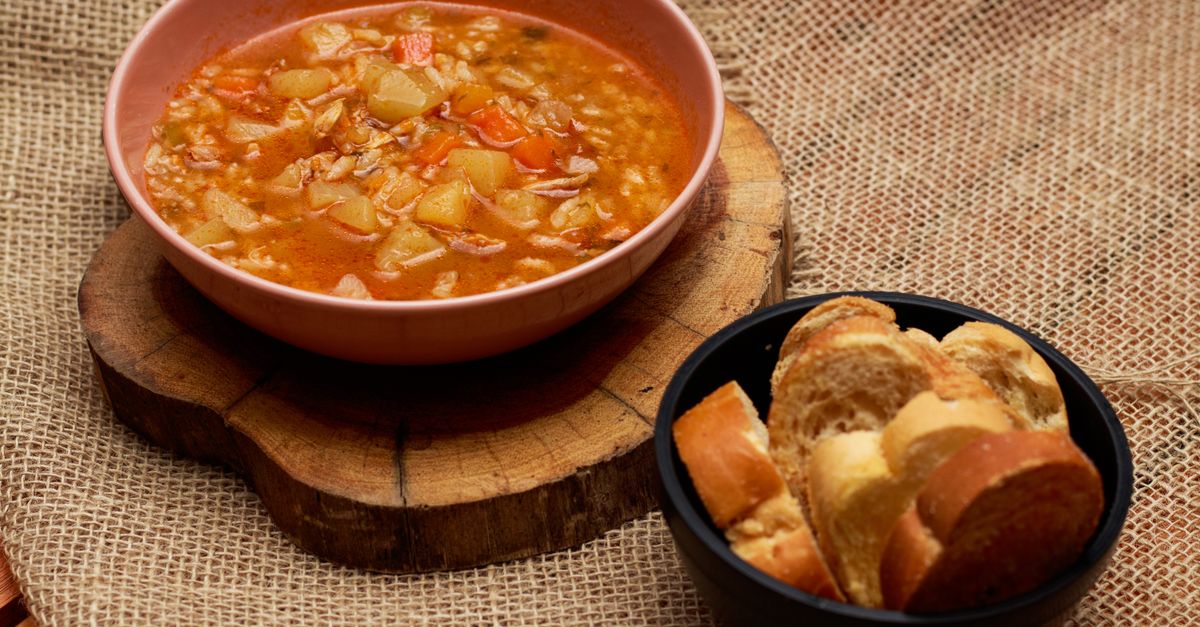
Eating can get complicated during cancer treatment. Appetite comes and goes, foods can taste different, and some days nothing sounds good. That's normal — and there are gentle, practical ways to keep your strength up without turning every meal into a chore. Here's a plain-language look, with trusted sources.
Why eating can be hard right now
Treatment and the cancer itself can affect appetite, taste and smell, and how your mouth and stomach feel — bringing on things like nausea, mouth soreness, or early fullness. None of this is a failure on your part; it's a common, expected part of treatment, and it usually eases over time.
Gentle, general ideas that help many people
- Eat small and often — several small snacks or mini-meals can be easier than three big ones.
- Aim for enough protein and fluids — they help your body repair and keep you hydrated. Sip through the day.
- Go with what's tolerable — bland, soft, or cool foods on rough days; favorite foods when appetite returns.
- Keep easy options within reach — so eating something is simple when a good moment comes.
Be gentle with yourself on the hard days — a difficult eating day is not a setback, just part of the road.
A dietitian can tailor it to you
General tips only go so far, because the right approach depends on your treatment, your body, and any other conditions. An oncology dietitian on your care team can build a plan for your situation — including how to handle specific problems like nausea, weight changes, or trouble swallowing — and that's the best place for personal guidance.
A gentle note on "cancer diets"
You'll see a lot of claims online about foods or diets that "fight" or "cure" cancer. It's wise to be cautious: no single food or diet is a treatment, and some restrictive plans can leave you short on what your body needs during treatment. Good general nutrition supports you through care — but decisions about eating during treatment belong with your care team and dietitian, not a headline.
Trusted sources to go deeper
- National Cancer Institute — Eating Hints: Before, During, and After Cancer Treatment — practical, plain-language help for common eating problems.
- American Cancer Society — Drinking and Eating Changes — managing appetite, taste changes, nausea, and nutrition during treatment.
Related reading
Connect with others in the General Cancer community on SnacWeb.
This page is general education, not medical or dietary advice, and every person is different. Your own oncology care team and an oncology dietitian know your situation best — please bring your questions about eating during treatment to them, especially if you're losing weight or struggling to eat.
SnacWeb is a free, private community for anyone whose life has been touched by cancer.