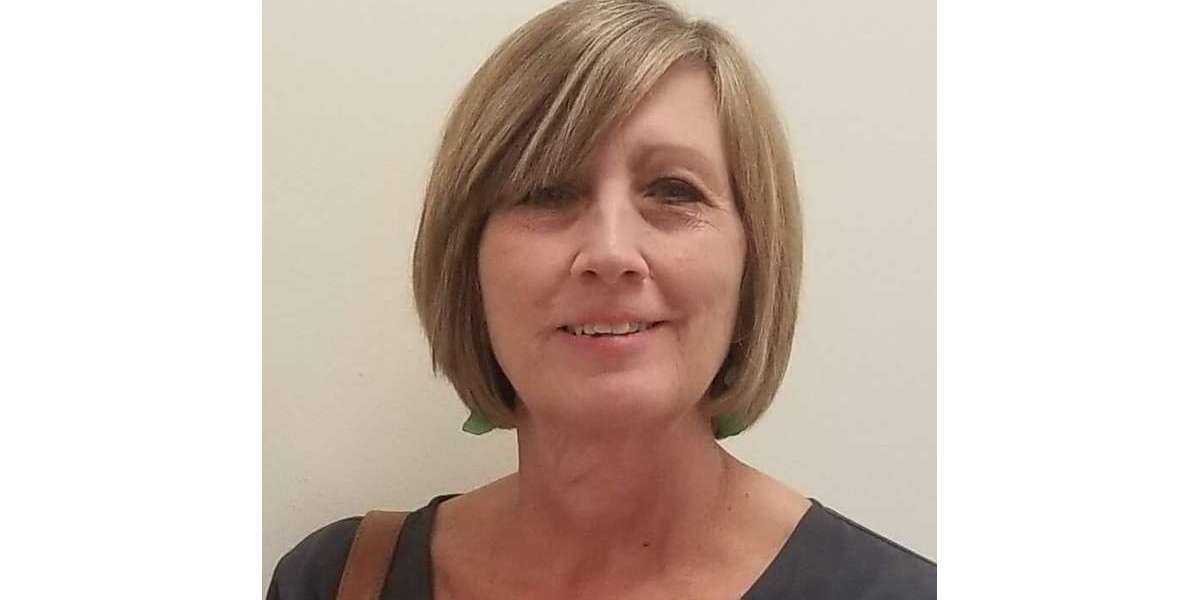
Kristine’s Stage 2B Adenocarcinoma Cervical Cancer Story
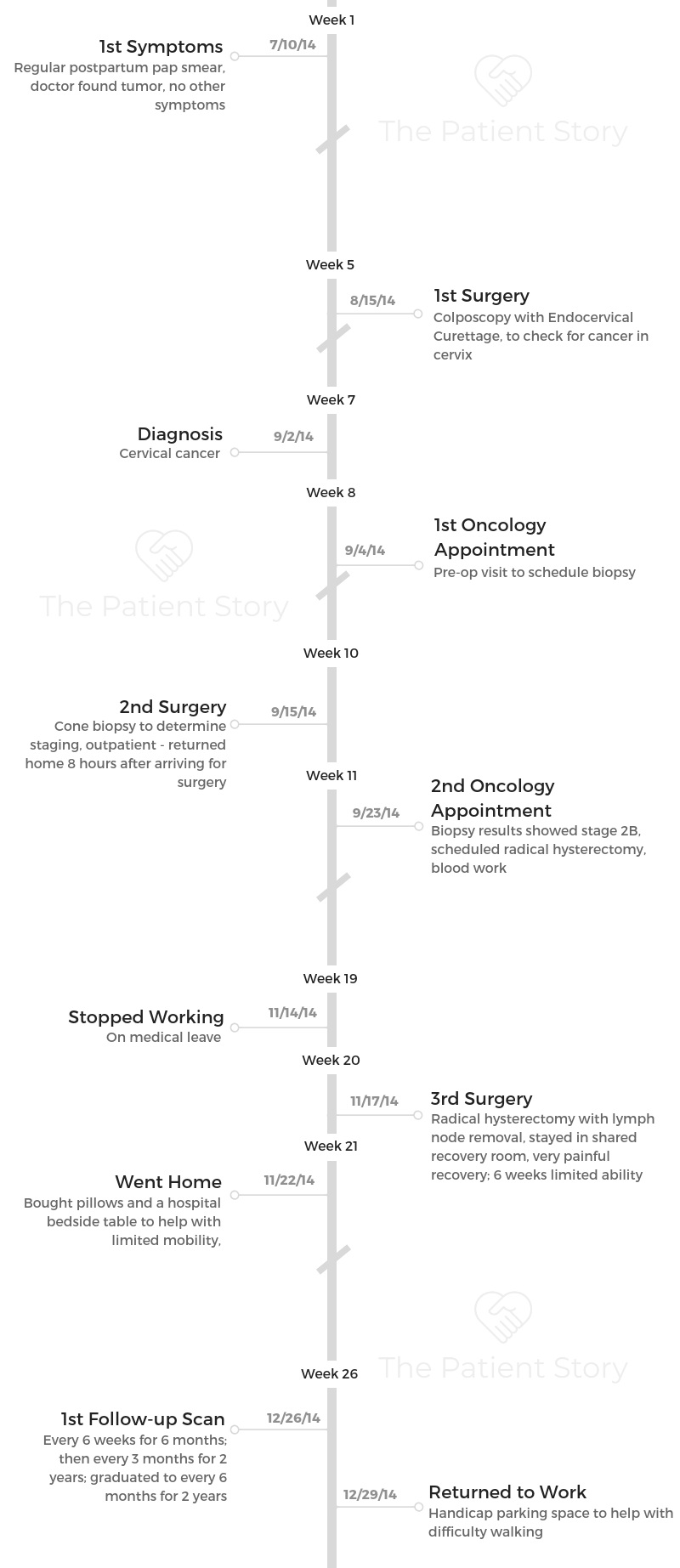
Kristine M., Adenocarcinoma Cervical Cancer, Stage 2B
Symptom: Tumor found during postpartum pap smear
Treatments: Colposcopy with endocervical curettage, cone biopsy, total abdominal radical open hysterectomy with lymph node removal
Kristine’s Stage 2B Adenocarcinoma Cervical Cancer Story
Kristine shares her stage 2B cervical cancer story, which began with a postpartum pap smear. She underlines going through a colposcopy and how she chose a radical hysterectomy.
In her story, Kristine also highlights how she was able to navigate quality-of-life issues, including being a self-advocate as a patient, dealing with loss of fertility, guidance on parenting and marriage with cancer, and how to ask for help and support, no matter how hard it is.
- Name: Kristine M.
- Age at DX: 30
- Diagnosis:
- Cervical cancer
- Adenocarcinoma
- Staging:
- 2B
- 1st symptoms:
- Tumor found during postpartum pap smear
- Treatment:
- Colposcopy with endocervical curettage
- Cone biopsy
- Total abdominal radical open hysterectomy with lymph node removal
It will be okay. You will eventually get to a point in your life where you like yourself more as a result of what you’ve gone through.
You won’t believe it now, but you’ll be a stronger and better version of yourself.
Kristine M.
- Pre-diagnosis
- Diagnosis
- Describe the moment you knew you were dealing with cancer
- Did you get a second opinion?
- Why was your reaction to the diagnosis “different”?
- Describe the mental stress of dealing with your diagnosis
- Did you have anxiety waiting for staging results?
- How did you break the news to your husband?
- How did your husband handle the diagnosis?
- How did you approach telling your young kids about your diagnosis?
- Was there anything specifically to consider about being a young mother diagnosed with cancer?
- Did your doctors recommend any resources for your family?
- Treatment & Surgery
- Describe your cancer treatment center
- Any advice on how to choose a treatment center?
- What happened at your first cancer center appointment?
- What was the timeline for tests and biopsies?
- Describe the colposcopy
- How did the staging happen?
- Describe the cone biopsy
- Any tips for people before undergoing a cone biopsy?
- How did you decide on the radical hysterectomy?
- What was the pre-surgery routine for the hysterectomy?
- Is there anything you wish you had asked or done before the hysterectomy?
- Describe the cleaning prep process
- Any surprises heading into surgery?
- Any apprehension about the general anesthesia?
- Post-Surgery & Recovery
- Do you remember having any side effects after you woke up from surgery?
- What would you change about your post-op hospital stay?
- What was the short-term recovery after surgery like?
- Are you still dealing with long-term side effects?
- What was your first follow-up appointment like?
- How long after your hysterectomy did you have to wait for follow-up results?
- What has your experience with post-op scans been like?
- Did you ever have to self-advocate?
- Do you have a message to patients and caregivers about being their own advocates?
- How did it feel to realize you would lose your fertility?
- Have you found your “new normal”?
- Did you need outside help with your kids?
- Do you have specific advice for a parent who is undergoing cancer treatment?
- How did your treatment affect your work?
- How did you deal with the financial aspect of treatment?
- How did you change your lifestyle after surgery?
- Mental & Emotional Stress
- Support & Survivorship
This interview has been edited for clarity. This is not medical advice. Please consult with your healthcare provider for treatment decisions.

Pre-diagnosis
What were your first symptoms?
It’s scary to say this, but I had no physical symptoms. When I was in college, I was moving to the city that I live in now. As most people do when they are done with college, they move to where they’re going to get a career.
Part of my plan was to move on. I figured I had a doctor where I was. I would get everything I need taken care of before I moved. It was after I moved to Ohio when my doctor’s office called me.
They said not only that they had found irregular cells, but that they had found cancerous cells during my regular pap.
What was the next step?
I was in my early twenties at that time, and they recommended that I have another gynecology appointment in Columbus, so I did. The doctors that I had in Ohio didn’t find anything wrong with me.
I was told that it’s very common for test results to get mixed up. It didn’t feel very reassuring, but I believed them and went on with my life.
Then 2 years later, I was married. A year after that, I had my first son. I had no unusual symptoms. He was a large baby. I never dilated and never went into labor, but because he was big, they just assumed that that was the reason for it.
I had a cesarean and a healthy baby. I continued with my regular gynecological care through that whole process. 4 years after that, so 6 years from my original cancer scare, I had my second son.
Usually if you have one C-section, they want you to have another C-section. That’s how that happened for me, but again, I never dilated. I wasn’t going into labor.
Why did your original abnormal test results not produce an official diagnosis?
What they think happened is that I had a lower stage of cancer cells that whole time.
It had gone from stage 1 to stage 2 and from A to B, had started spreading, and had gotten to the point where stage 2B is over 4 centimeters as far as the size of the tumor, and then it’s different types of cells. It progressed.
Once it gets to a certain point where it can be very aggressive, I guess it can spread fast. I’m lucky I found it when I did, but it’s unfortunate that it had been in there long enough for it to evolve to that point.

How did you deal with doctors not catching this sooner?
My peace of mind came from the fact that I never missed a gynecology appointment. I never missed a well visit with a doctor. I’ve taken good care of myself. I was going to the dentist when I needed to.
I hadn’t neglected my medical care, so I don’t felt like I shouldn’t have known any different. I love my gynecologist. She delivered both of my children, and she saved my life. I’ve had great physicians as a result of my treatment.
My oncologist is amazing. His staff is amazing. It’s weird to say this, but I wish I could see them forever, even though I know you want to not be seen by them at some point. I really like them.
I didn’t have any ill will or feelings of regret. I feel like I did everything I could have. I’m really grateful that they found it when they did because if it had progressed to the point of having symptoms, I don’t know if I would be at the point where I am now, coming up to my 5-year anniversary.
Diagnosis
Describe the moment you knew you were dealing with cancer
It was at my OB-GYN’s office during my 6-month postpartum pap smear. I could tell during the appointment that something wasn’t right.
She said she could see something that didn’t look good. She called me the same day and actually diagnosed me with cancer before I was a patient of the James Cancer Center here in Columbus, Ohio, but that I’d be referred to them for my treatment plan.
They called me the very next day. I was actually at work. She did labs on the swab that she had taken at my appointment and called me the same day. They rushed it through.
During our call, she said I had cancer. It is so surreal to have someone tell you you have cancer. You feel like, “That just can’t be true.”
I’m really lucky that they found it when they did. I lost my fertility as a result of the treatment. As unfortunate as it is that we found it later, I wouldn’t have had the kids that I have if I had found it earlier, so it worked out in a really weird way.
Did you get a second opinion?
I did not. Things like why I never went into labor and why I never dilated simply started to make sense. I didn’t feel like at that point that I needed a second opinion from my OB-GYN’s diagnosis. It just started to make sense, even though I had no other physical symptoms.
»MORE: Reacting to a Cancer Diagnosis
Why was your reaction to the diagnosis “different”?
From diagnosis, for a year, my mental state was disbelief. It almost felt like I didn’t need to do anything because nothing felt wrong.
It was really hard, and because of my mixed-up results before, I almost thought, “I don’t think they know what they’re talking about. This can’t be me. There’s gotta be a mistake.”
I guess if you don’t feel sick and someone tells you you have cancer, it’s really hard to believe.
I would assume if you had symptoms or if you found something that was bothering you, maybe it’d be a relief to know that what you felt or what you were going through had a cause, but I didn’t feel like I had anything happening.
Describe the mental stress of dealing with your diagnosis
Even sometimes now, going back and talking about [my diagnosis], it doesn’t feel like it happened to me. It’s sad because I feel like the first year of my child’s life, I don’t remember a lot of his milestones or a lot of it.
We were on autopilot, trying to get through day to day.
I do remember my mental state at one point when I had been diagnosed. I knew it was bad. I knew my cone biopsy hadn’t gotten clear margins, but we were waiting to hear back to see what the next steps were.
It was after my hysterectomy to just see what’s the chance that I’m going to be okay. I guess everyone wants to know, “Am I going to be okay?”
This is awful to say, but I was thinking at one point, ‘I have 2 young kids who won’t remember me if I die, and if I’m gonna die, I would rather go quick before they remember things as only being so sad.’
I didn’t say anything to my husband about it, but that’s where my headspace was.
I couldn’t tell anyone because there were still so many unknowns. It just kept getting worse the more we learned about it. I couldn’t talk about it. I couldn’t deal with anyone being upset.
It was really hard, so I would stay in the car, and my husband went to pick up the kids and tell them that it wasn’t good news and I wasn’t coming in. I know a lot of people were concerned. We have wonderful friends and family that tried to talk to me about it, but I didn’t.
There’s an unknown. The time you’re learning about what’s wrong with you, there’s a lot of unknowns and continual tests and things to see, “Did we get it all? What do we need to do next?”
He had never yelled at me, but he did yell at me during that time. He basically told me that I was acting like I had given up and shook me back into remembering how strong I am.
Did you have anxiety waiting for staging results?
In the beginning, I didn’t have a lot of anxiety because I feel like everything happened really fast from the original diagnosis to being referred to an oncologist to getting in for my cone and things just starting to happen.
Those happen really fast, so there was not enough time for me to even process what’s happening, which is why I think I was in denial.
It was the time period between the cone biopsy and knowing about the radical hysterectomy that I started to get depressed, because you don’t know what the outcome will be. You want it to be the best, and you Google it.
We all Google it, and everything on the internet is so depressing and so sad. Every story is about someone who died, so then you’re convinced you’re going to die. The beginning of my mental downfall was that wait for good news.
When you keep getting not the best news, then you start thinking that the next thing you hear won’t be good either. That’s difficult on your psyche.
»MORE: Dealing with scanxiety and waiting for results
How did you break the news to your husband?
I called my husband. I remember calling him from work, and he made me leave work. I was in shock for a really long time. I was in shock and denial for probably a year.
We went home to talk about everything, but I just couldn’t even grasp the reality of it. I didn’t feel sick. I have no issues. I had no problems. I didn’t feel anything different.
It just was very surreal. I don’t know how to describe it. It just felt like what they were saying was wrong.
»MORE: Breaking the news of a diagnosis to loved ones
How did your husband handle the diagnosis?
My husband is an amazing, supportive person and a really wonderful nurse. He has always been really good at processing things, but men internalize their stress.
We joke about it now, but my husband and I had a toddler, a newborn, and a new cancer diagnosis.
As much as he tried to be the rock, he ended up getting shingles from the stress. I’ve talked to some other support people that went through some physically difficult reactions to stress as well.
That was hard because the newborn wasn’t vaccinated for anything yet. Matt had shingles, so we had to keep him away from me and everyone else just in case. It’s funny now, but it was chaos at that time.

How did you approach telling your young kids about your diagnosis?
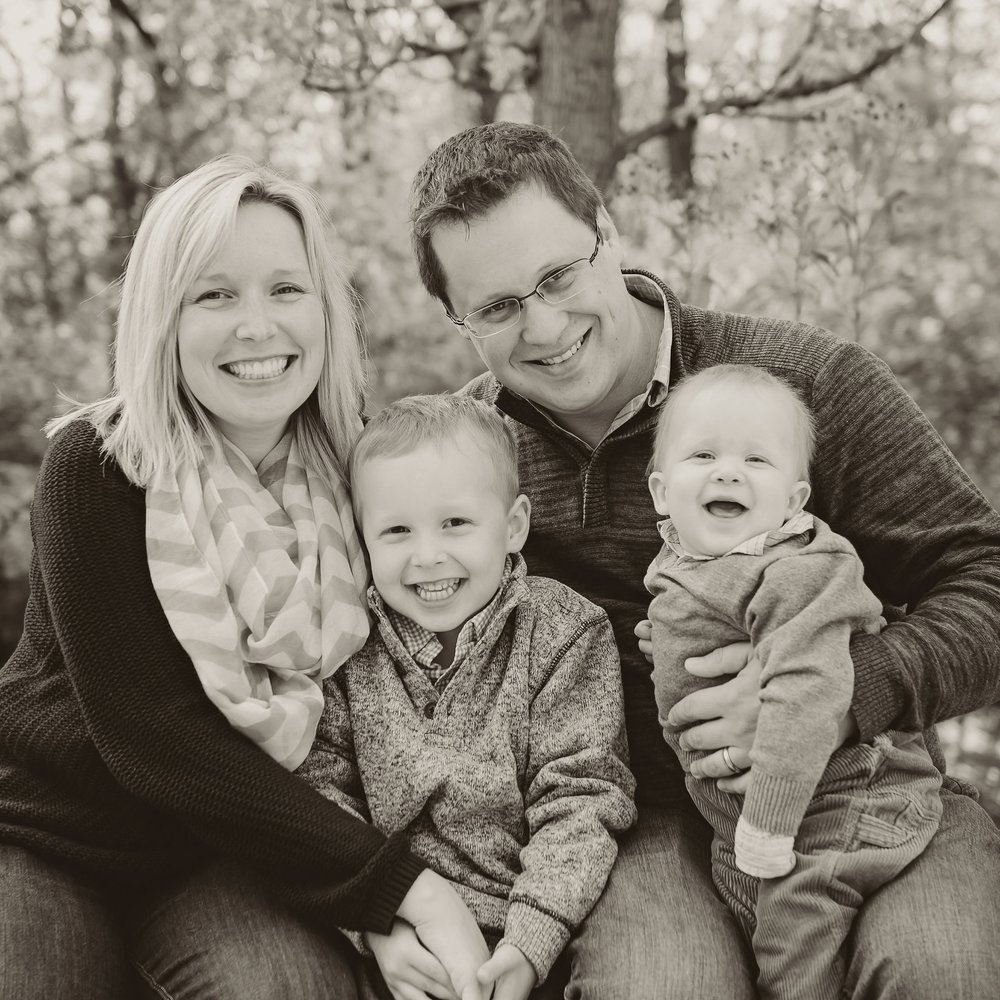
I probably didn’t handle it the best way, because our kids were so young, under 1 and 4. My husband needed to be at every appointment. Not just because I was emotional, but because I was very stoic for a lot of my appointments.
It’s really hard when someone’s talking to you because you’re processing your feelings, and you’re not always able to take in the information.
It was nice to have my husband there because he, even to this day, remembers things that they said that I just didn’t hear. [It was] not because I wasn’t there.
I wasn’t capable of receiving information. I was shutting down mentally.
We had family members watch the kids through my appointments. They knew that we were going to the appointments and there were several appointments.
I couldn’t pick our toddler up, I couldn’t carry him, and he couldn’t sit on my lap. He actually still can’t sit on my lap, but we said that mom had germs in her belly. Kids are so innocent. They don’t fear anything you don’t make scary. We used the word “cancer” a lot, but that didn’t scare them.
We just explained to the kids that cancer is like having bad germs they had to cut out of my belly. I still have limitations today, so I’ve been open about what I can and can’t do. The kids don’t see anything differently, though.
That’s the beautiful thing about children. They don’t see ability, disability, color, or anything; they just see who they love. It was harder on me than it was on them to say, ‘I can’t pick you up,’ or, ‘You can’t sit on my lap, but you can sit next to me.’
We found new ways to be close when I couldn’t physically handle doing what I was doing before.
»MORE: Parents describe how they handled cancer with their kids
Was there anything specifically to consider about being a young mother diagnosed with cancer?
It’s difficult being a new mother, period, and going from 1 kid to 2 is a whole new level of stress. Not to mention going through cancer treatment at the same time. There was a lot of adjustment, and I’m glad that I have the family I have. It ended up working out, but it was a tough year.
The first year of my son’s life was a blur between the emotional stress and getting through everything that we needed to. I had to consider an older child getting a sibling for the first time.
You’ve got to make sure that there’s not any jealousy. There was so much going on for everybody emotionally and developmentally, so I’m glad we got through it.
My husband really encouraged me to let them see me cry. We want our sons to know that emotions are healthy. We were pretty open with that piece of it. We made sure they saw that some days are bad and some are good.
Did your doctors recommend any resources for your family?
My oncologist recommended an online calendaring tool. It’s a website where people can sign up to volunteer to bring food, babysit the kids, or take me to an appointment. They can sign up, and everyone knows which days and meals are covered.
That was wonderful because my husband is great, but with a newborn, me being completely immobile, having a toddler and dinner and everything else to worry about — it was too much.
Treatment & Surgery
Describe your cancer treatment center
I was referred to the James Cancer Center in Columbus, Ohio. It is amazing. People come from all over the country to be seen there. I knew I was getting the best care, so anything they said that they needed to have done, I never second-guessed.
It’s enormous. It’s funny because when I started going there, the first thing they would always ask you is, “What hotel are you staying in, and what airline did you use to get into Columbus to be here?”
So many patients are flying in for treatment. They were surprised that I was fortunate enough to live nearby and I could just drive in for treatment. People come from all over, and it’s growing exponentially. It’s an amazing facility, so I’m very lucky that it’s in my backyard and that I have the accessibility to see them.
I can’t imagine the cost that people incur that have to travel for treatment and the inconvenience of being in a car or a plane when you don’t feel well, so I’m very, very lucky. The care was amazing. The staff is amazing.

Any advice on how to choose a treatment center?
You’re in the right place if you trust the advice from the people that are giving it to you and if you like the way they are treating you.
I never second-guessed my care because the people that were treating me were amazing not only in their intelligence but in their bedside manner, too.
If you don’t feel that way, then you absolutely have a choice to be treated by anyone that you prefer, so don’t feel stuck.
My father is a melanoma patient, and he was going to a small country physician. I moved him over towards the James, which is a bigger institution.
What happened at your first cancer center appointment?
They looked at the results from my pap. Ideally, what should happen is the cells come down and you find them. I’m sure they did at some point come down on the one side, and that’s how it was originally found for me. What had happened is it had grown width-wise through my body, not just through my cervix.
It grew through through my abdomen. I had had a CIS cesarean, and we had to postpone my radical hysterectomy for several months because you can’t have abdominal surgeries of that degree so close together.
It’s very dangerous. It was a really weird dance between beating the clock and not doing anything that’s dangerous for my health as a recovering new mom. It was really weird.
What was the timeline for tests and biopsies?
I had my regular pap, then I had the colposcopy. After that, I was scheduled for a cone, which was a day surgery, so I had a pre-surgery visit. I had the day-surgery cone.
I had a post-op visit. Then we had a separate discussion about additional treatment. That’s when we had to do the radical hysterectomy. Then we had pre-op visit for the radical hysterectomy. There was a lymph node dissection and then post-op visit after that.
Describe the colposcopy
I had had a colposcopy before, so I wasn’t really concerned about that. A lot of people asked me if cervical cancer runs in my family, and I say no because that’s true.
However, a lot of women in my family have abnormal paps, and it’s becoming a lot more common for women in general to have abnormal paps.
A colposcopy can be done at your gynecologist’s office. There’s different ways to do it, but they’re burning off some of the cells that your body isn’t naturally shedding when you have your period.
If they can get rid of them and you have healthy cells underneath, then you don’t need anything further. I had that done in the past. There’s a little bit of cramping.
It’s a bit annoying, but it doesn’t take long, you can go home, and you don’t really need anything more than Ibuprofen after it.
How did the staging happen?
I was referred to the oncology department. The way they planned to stage me was by doing a cone biopsy. That’s where they take a cone-shaped cut out of your cervix. Ideally, what they want to get are clear margins. They want to be able to encase the entire tumor and remove it from your body.
I did not get clear margins, so we did the cone biopsy. The cone didn’t contain all of the cancer cells that had gone broader than my cervix. At that point, we were scheduled for a radical hysterectomy.
Describe the cone biopsy
The cone biopsy was more extreme than the colposcopy. It’s done at the hospital, and it’s a day surgery. I had general anesthesia and a bunch of medications. I don’t think I’d ever been put out because you stay awake when you have a cesarean.
That was my first time with general anesthesia, and I had a really embarrassing reaction to it. I woke up in the recovery room in awful pain. It felt like I had squatted on top of a burning fire. It was extremely painful. I had a cold knife cone.
That’s where they’re actually cutting and burning, as part of the treatment, a cone-shaped tissue sample out of your cervix. You definitely wake up feeling awful, and you go home. I had medication, painkillers, and some bleeding, but I was fine within a day as far as the pain is concerned.
The risk for a cone biopsy was that removing any of the tissue in my cervix could affect my ability to hold a pregnancy full-term or even have a pregnancy at all.
That was the beginning for us as far as the realization that everything that was happening was going to affect my fertility.
Any tips for people before undergoing a cone biopsy?
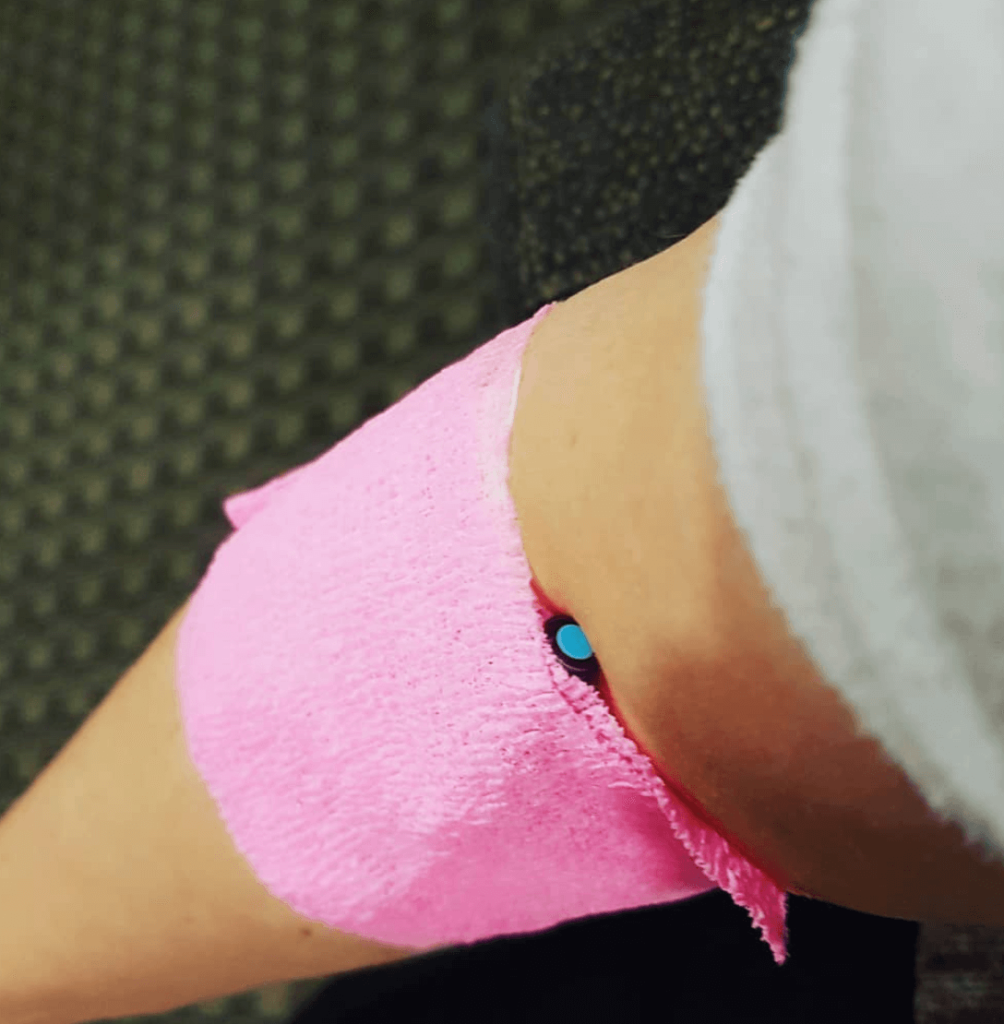
There are things you could probably do that would help. Have a frozen pad or something that people have used when they have a vaginal birth that helped relieve a lot of burning and pain. Had I been prepared, that would’ve been great, but I had no idea that it would be that painful.
How did you decide on the radical hysterectomy?
The thing that stands out to me, which was odd, was you expect your doctors to tell you what you have to do, and they don’t. They give you a whole bunch of options, and they let you pick your method moving forward.
I had had the initial things done already that would have made it more difficult to hold a pregnancy, but it didn’t mean we could never get pregnant.
My oncologist had said, “If you want to have more children, we could try to salvage your fertility and do a partial hysterectomy. That’s where they try to take half of your uterus and cervix, and you would potentially be able to still have children.”
When you say you had a hysterectomy, there are stages of it. A radical hysterectomy is the most extreme type of hysterectomy they offer. I remember being in his office, and he had this piece of paper.
It had the outline of a person’s body and a medical diagram of the internal reproductive organs of a woman. I remember him circling when we had said, “What’s the radical hysterectomy?”
He circled 6 things. It was like, “We’re going to take this and this and this and this and this and this.” I remember thinking, “That’s a lot.”
You want them to tell you what you should do, but they don’t want to make decisions for you. They’re like attorneys that way, which is kind of funny.
My husband, who is very passive and very nice, got irritated and basically had said to the doctor, “If this was your wife, what would you do?”
It was at that point where he said, “I’d be the most aggressive, and we would do the radical hysterectomy.” So that’s what we did, because if he would do that with his family, then that’s probably what we should do for ours.
It’s weird that you pick your poison as far as what you want to put yourself through. You don’t really want to go through any of it, so it’s weird to select your own treatment.
I was basically given the option of, “Do you want to have more kids?” It’s hard to ask the one that just had a baby if you want to have more kids. You’re tired, but you’re thinking, “Maybe I do.”
What was the pre-surgery routine for the hysterectomy?
There were no scans. I know I had to do blood work to make sure I was healthy enough, but it was a lot of weird pre-op sanitation stuff, full body chemical shower, [and] things to prepare my body for surgery.
I didn’t know if I wanted to give up my fertility, but my husband and I had to make a decision. The best one was the most aggressive treatment plan that would guarantee the longevity of my lifespan to be there for the kids we had.
We went very aggressive with the treatment and did basic amputation of almost my entire reproductive system and all of the muscle tissue surrounding it.

Is there anything you wish you had asked or done before the hysterectomy?
I would just recommend that people bring someone with them that they trust and they love. They can be a sound voice of reason and ask questions.
I didn’t ask any questions. No, that’s not true. I asked one question, and it was really dumb. We had planned a trip to Disney before I was diagnosed. If anyone’s gone to Disney World, it’s like a year of advanced planning, and you pay an egregious amount of money to go.
We were supposed to be going in November. That’s when they wanted to plan my surgery. When my oncologist asked me, “Do you have any questions,” my only question was, “Can I go to Disney World?”
My husband jokes about it to this day that that was my one burning question to my oncologist. I was thinking, ‘Will this be my last opportunity to have a vacation with my children?’
My oncologist did not want me to prolong this surgery for too long, and he explained the risks to us of prolonging our surgery. We put it off for several weeks. It’s not like we put it off for too long, but we put it off for a couple of weeks. We went on our vacation.
I’m glad we did because I’m 5 years out, and flying is still painful. Walking has been painful. There’s a lot of things now that I don’t enjoy, and I definitely would not have been able to do it that close to the procedure. It’s embarrassing, but my one question was, “Can I go to Disney world?”
If there’s something you’re looking forward to or something you want to do, I wouldn’t just assume that you can’t do it beforehand, because those things are very important for your mental health, especially when you’re in a fragile mental health state.
We went to Disney, and it was great. I’m glad we did, but I probably could have asked other questions.
Describe the cleaning prep process
There were 2 solutions I had to wash my body in and a sequence — one and then the other.
It’s localized to your abdominal area. I did the chemical shower at home before the surgery. Then they had me clean myself for surgery while I was at the hospital after I got into my gown. Then when I went into surgery, the staff

administrator
275 Blogg inlägg