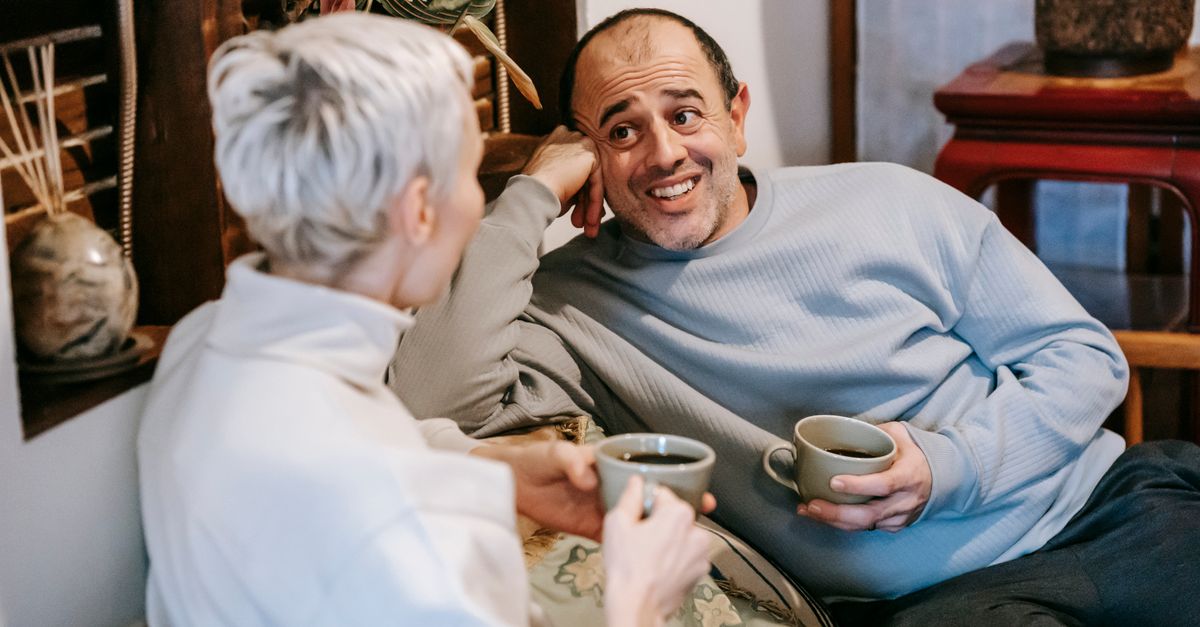
Listen Actively and Empathetically
When a friend is going through cancer, your presence can be incredibly comforting. Sometimes the best way to show support is by simply being there and listening without judgment. If they want to talk about their fears, frustrations, or hopes, let them share as much—or as little—as they feel comfortable with.
- Sit with them in silence if they need it. A simple act like holding space for them can be more meaningful than words at times. You might say something like "I'm here whenever you want to talk or just sit quietly."
- Avoid jumping to solutions or comparisons. Statements like "I know exactly how you feel" might inadvertently make your friend feel misunderstood or lessened because their experience is unique. Instead, offer a gentle and reassuring response such as "Can I help in any way?"
- Instead of trying to fix everything with well-intended advice, try saying something simple and sincere such as "I'm here for you, whatever that means."
This can be a powerful way to reassure your friend that they are not alone during this challenging time.
Offer Practical Help Without Overwhelming Them
Your friend might find it hard to manage day-to-day tasks while dealing with cancer treatments and side effects. Offering practical assistance can make their life easier without adding undue pressure.
- Ask what specific tasks they need help with rather than assuming. Whether it's driving them to appointments, handling household chores, or even just picking up groceries, knowing exactly how you can be of service is key. For instance, a helpful message might start with "I see you have an appointment Monday—can I take care of any prep for that?"
- Provide meals that require no preparation. A crockpot meal or delivery order that only needs reheating can be a huge relief. Consider checking in first about dietary restrictions and preferences, such as "Do you prefer vegetarian options right now?"
- Take care of daily chores like laundry, grocery shopping, or even pet-sitting to help manage the basics, freeing up more time for rest and recovery.
These small acts of service can make a big difference in your friend's day-to-day life, helping them focus on what matters most—getting better.
Stay Connected and Consistent
The emotional support you offer during this period is invaluable. Keep the lines of communication open even when there isn't much to talk about.
- Check in regularly, even when you don’t have updates or news to share. A quick text message can show your friend that they are on your mind and appreciated. For example, a simple check-in might be something like "Just wanted to send some positive vibes your way today."
- Sending thoughtful texts, emails, or heartfelt cards lets them know that their struggle is not forgotten by those who care about them deeply. A card could include words such as "You are in my thoughts and prayers."
- Include them in social activities as they feel ready. Going out for coffee, watching a movie together at home, or even just chatting online can be uplifting and normalizing experiences. You might suggest, "Maybe we could catch that new comedy movie this weekend?"
Your consistent presence will help your friend know that their support network remains strong throughout their journey.
Take Care of Yourself Too
Supporting someone with cancer is draining. It’s essential to prioritize your own well-being so you can continue offering care and compassion effectively over the long haul.
- Seek support for your own feelings about their cancer. Sharing your concerns or worries in a therapy session, support group, or even just talking it out with another trusted friend can be therapeutic and allow you to process emotions better. You might find comfort in "I've been feeling overwhelmed sometimes—do you mind if I talk through some of this?"
- Set boundaries that maintain your own health and energy levels. Saying no to tasks you feel too overwhelmed by is okay; there’s always more than one person who can step in when needed. For instance, you could say "I appreciate it so much but I might need to pass on this task."
- Look after your physical well-being while helping them. Ensure you’re getting enough rest, eating nourishing foods, and engaging in activities that refresh your spirit.
Taking care of yourself is not selfish—it's necessary to ensure both you and your friend get through this tough time with resilience and strength.
Help Them Navigate Healthcare Decisions
Navigating the medical system can be confusing and stressful. Offering guidance or assistance in managing healthcare decisions can lighten their load significantly.
- Offer to help research treatment options, explore different doctors, or understand insurance coverage details. Having a second set of eyes on complex information can provide clarity and ease anxiety. You might start by saying "I'm willing to look into some doctor's reviews if you want."
- Suggest scheduling appointments for them or attending appointments with them if they feel too overwhelmed to do so alone. Your presence might give them the courage needed during these moments. A supportive offer could be "Would it help to have me there at your next appointment?"
- Remind them of important dates for follow-ups, tests, and treatments—keeping track of such details can be challenging when dealing with numerous medical tasks.
Your help in organizing and understanding healthcare logistics can make a significant impact on their peace of mind and ability to focus on recovery.
We hope these tips have been helpful as you navigate supporting someone through cancer. Remember, SnacWeb is here for you too—join us to connect with others who understand what it's like to support loved ones during this time. SnacWeb
Frequently asked questions
How can I be there for my friend who has just been diagnosed with cancer?
Listen actively and offer your presence; sometimes just being there to talk or sit quietly together means a lot.
What are some ways to help my friend cope with the emotional stress of cancer treatment?
Encourage open communication by asking how they feel emotionally, offering support like running errands or cooking meals, and sharing moments of laughter and joy can also be uplifting.
How do I talk about cancer with someone who doesn’t want to discuss it?
Respect their wishes while letting them know you are there for them if they change their mind. Simple gestures like sending a care package or writing a note expressing your support can show that you understand and respect their space.
What resources should I look into to better support my friend with cancer?
Explore local support groups, online communities, and organizations focused on cancer support; these can provide additional help and ideas for meaningful ways to assist your friend.
Related reading
- Supporting Your Spouse Through Cancer
- Supporting Loved Ones with Lung Cancer
- Supporting a Friend When Cancer Returns
- Supporting Someone Living with Breast Cancer
- Self-Care Tips for Cancer Caregivers
- Finding Comfort After a Cancer Diagnosis
- Talking About Cancer with Family and Friends
- Eating Well Through Cancer: Nutrition Guidance You Can Trust
- How to Support a Friend Battling Cancer
- Supporting a Friend Through Cancer
- ¿Cómo hablar con un ser querido que tiene cáncer?
- Supporting a Friend Rejoining Work After Cancer
- Talking to Kids About a Parent's Cancer Diagnosis
- Supporting a Friend Through Cancer
- How to Support a Friend Living With Cancer
- How to Be There for a Friend During Cancer Treatment
Connect with others in the General Cancer community on SnacWeb.
This article shares general emotional and practical support for people affected by cancer. It is not medical advice. For any questions about your diagnosis, treatment, or symptoms, please talk with your own care team.
SnacWeb is a free, private community for anyone whose life has been touched by cancer.